
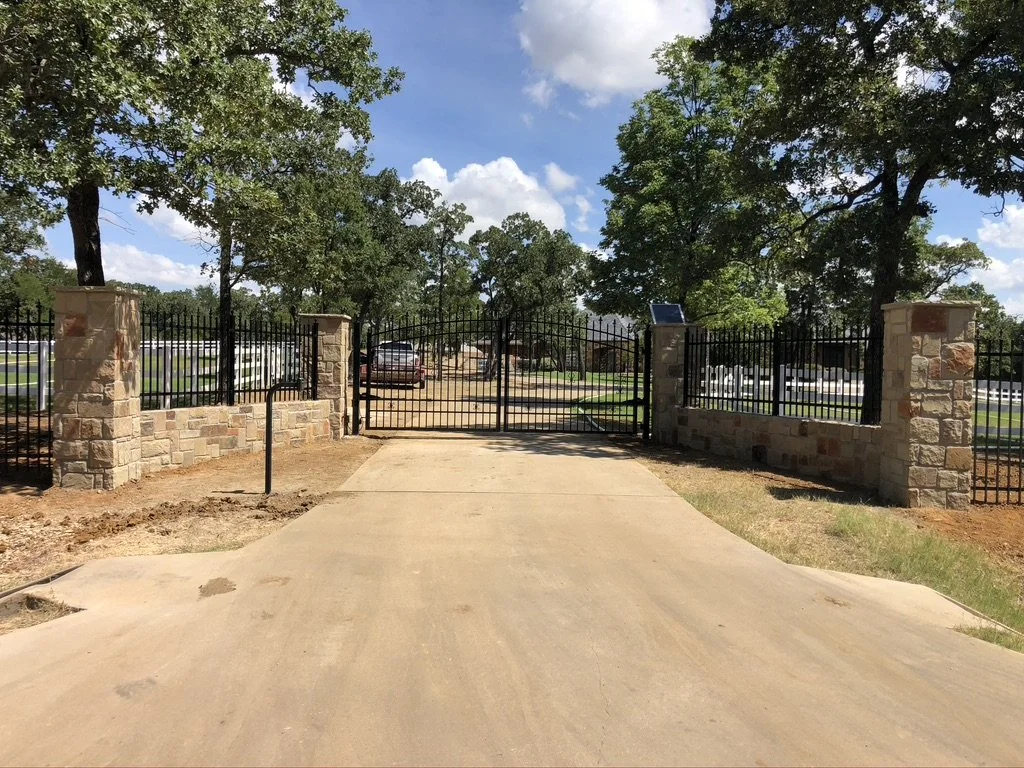
Additional fence details that affect the final result.
OTHER FENCE OPTIONS
Some fence options are easy to overlook, but they can make a big difference in how your fence looks, performs, and fits your yard. From treated base boards and stain options to how the fence follows the slope of your property, these details help shape the finished project.
Every yard is different. Grade changes, soil contact, fence height, stain preference, and layout decisions can all affect the look and function of your fence. Bluebonnet Fences can help you understand these options so the finished fence works with your home, yard, and budget.
A better fence is built around your yard, not just your property line.
FENCE PLANNING DETAILS
FENCE DETAIL
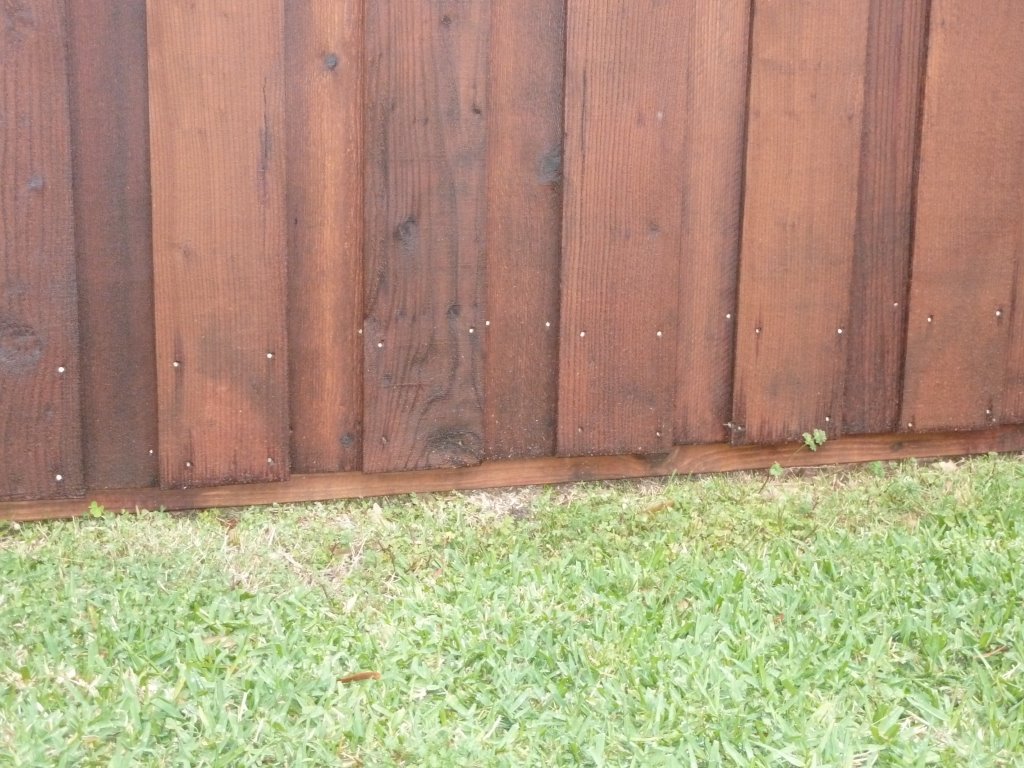
Treated base board
A treated base board is installed along the bottom of the fence where the fence meets the ground. It creates a cleaner finished look and can help protect the lower portion of the fence from direct ground contact.
This option is especially helpful when you want a more complete appearance at the bottom of the fence or when the fence needs to follow changes in the yard.
Best For:
Wood privacy fences
Board-on-board fences
Fence replacement projects
Cleaner bottom edge
Yards with uneven ground
Finished fence designs
FENCE FINISH
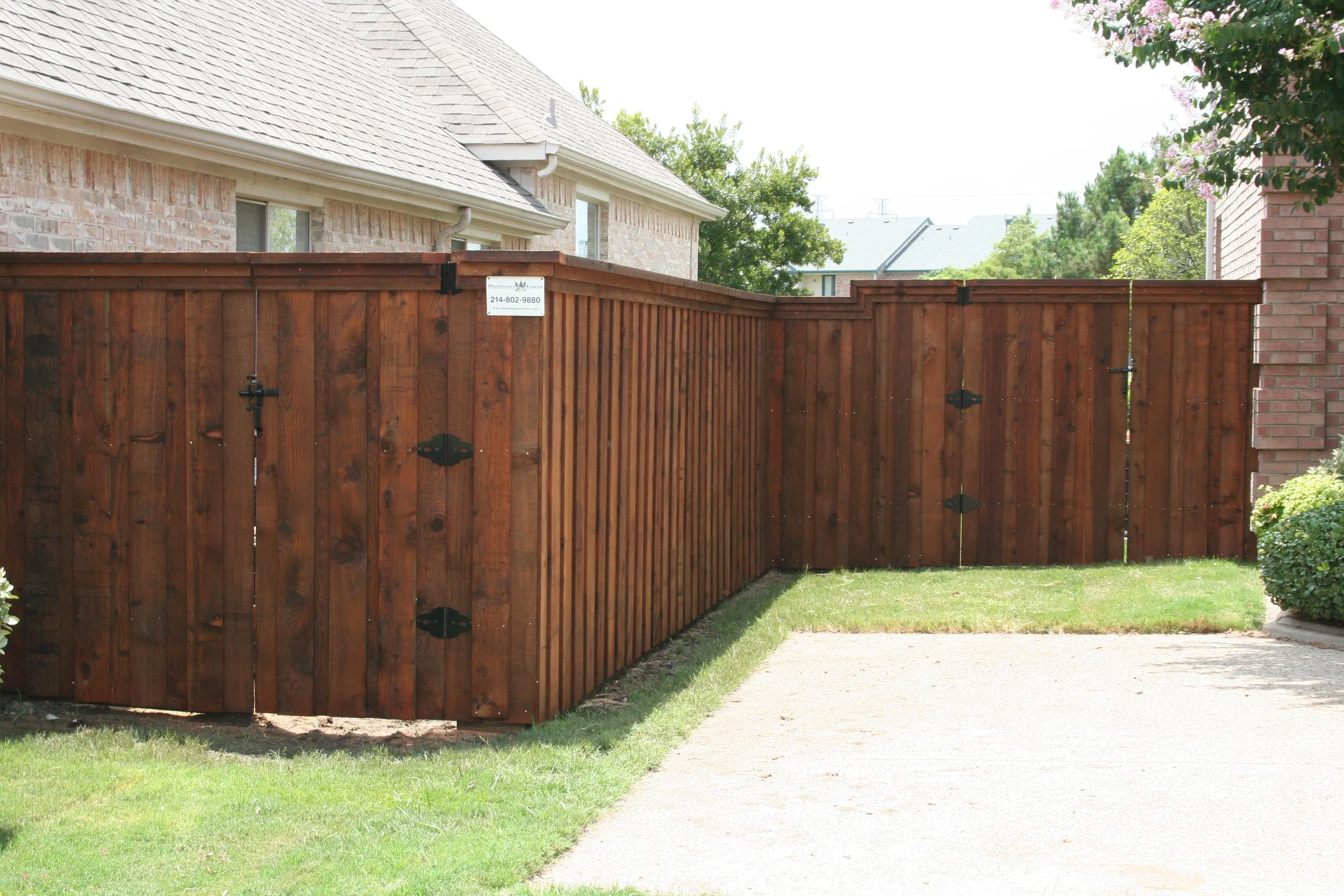
Pre-stain and seal
Pre-staining and sealing can help give a wood fence a finished color and added protection before or around the time of installation. Stain can enhance the natural look of the wood while helping the fence better withstand sun, weather, and everyday exposure.
The right stain color and timing may depend on the wood, project conditions, and the finished look you want.
Best For:
New wood fences
Custom wood fences
Privacy fences
Color consistency
Finished curb appeal
Added wood protection
INSTALLATION LAYOUT
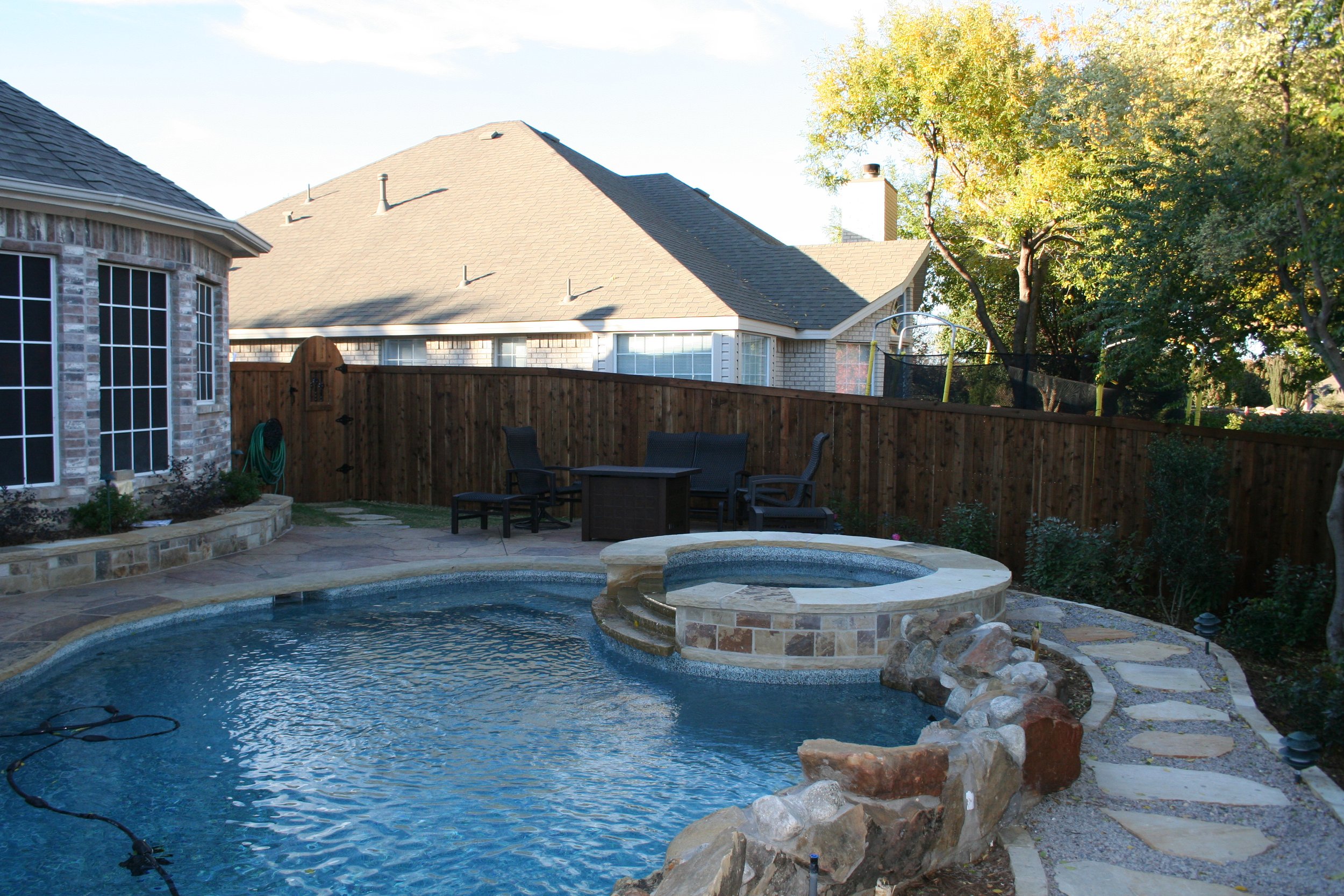
Follow the grade
A fence that follows the grade is built to follow the natural slope of the yard. Instead of creating level steps, the fence line moves with the ground so the top and bottom of the fence visually follow the terrain.
This approach can create a more natural look on sloped properties and may help reduce larger gaps along the bottom of the fence.
Best For:
Sloped yards
Natural-looking fence lines
Properties with gradual grade changes
Reducing gaps near the ground
Fence lines that follow the landscape
INSTALLATION LAYOUT
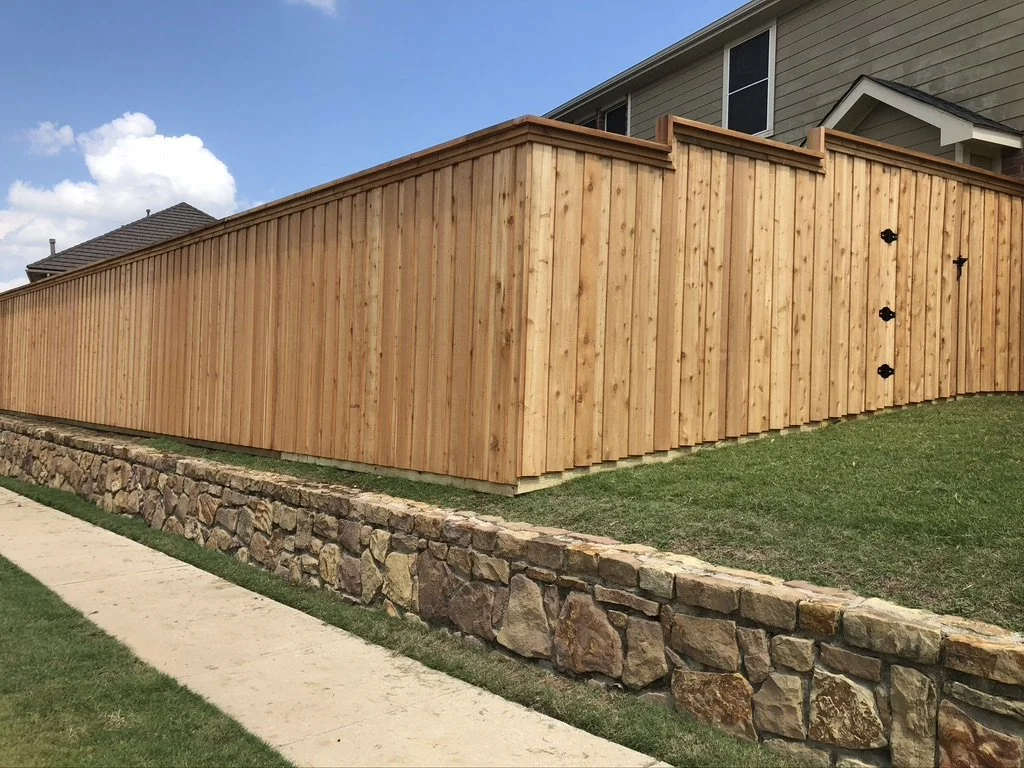
Stepped and level
A stepped-and-level fence is built in level sections that step up or down as the yard changes elevation. This creates a more structured, stair-step appearance along sloped areas.
This option can work well when homeowners prefer a level top line on each section or when the fence style looks better with clean horizontal runs.
Best For:
Sloped yards
Structured fence layouts
Level fence sections
More formal fence lines
7&8 ft tall fences
Properties with noticeable elevation changes
PLANNING YOUR FENCE
Which options make sense for your yard?
The right fence details depend on your property, slope, style preference, and long-term goals. Some yards benefit from a treated base board. Others may need a decision between following the grade or stepping the fence level. Stain and seal options can also affect the final appearance of the project.
Questions:
Does your yard slope or change elevation?
Do you want the fence to follow the ground or step in level sections?
Are you concerned about gaps near the bottom of the fence?
Do you want the wood stained?
Is the fence visible from the street or main outdoor living area?
Are you replacing an existing fence or building a new one?

Need help choosing the right fence details?
READY TO PLAN?
Tell us about your yard, slope, existing fence, and the look you want to achieve. Bluebonnet Fences can help you understand which options make sense for your home.